
 2918 Spencerville Rd, #124Burtonsville, MD 20866
  (301) 421 1118

Most patients assume that any dentist offering laughing gas has the same training as any other dentist. That assumption overlooks something the ADA takes seriously: sedation is not a single certification; it is several, each tied to a different depth of sedation and a different set of required hours, skills, and emergency training.
Before choosing nitrous oxide sedation in Montgomery County, it is worth knowing what those tiers actually require, since the answer says a lot about how a practice handles safety.
Sedation Isn’t One Certification
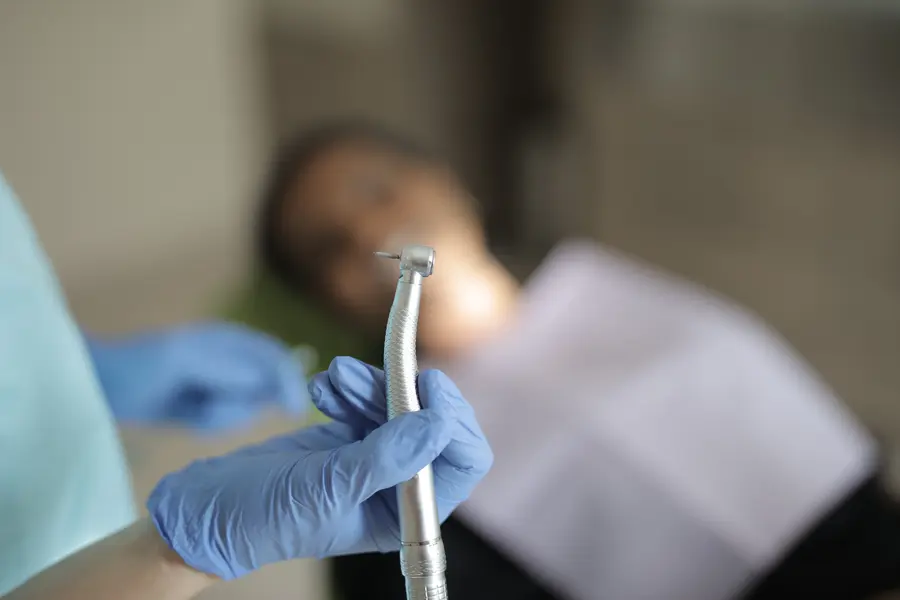
The American Dental Association classifies sedation as minimal, moderate, or deep (general anesthesia), and each level has its own training requirements. Minimal sedation, the category nitrous oxide and standard oral anti-anxiety medication fall under, requires the dentist to complete training consistent with ADA guidelines for teaching sedation, along with a current Basic Life Support certification.
It sounds like a small bar compared to deeper sedation. However, it still means a specific, documented training path rather than something a dentist picks up informally.
The Training Behind Moderate and IV Sedation
Moderate sedation raises the requirements considerably. According to ADA rules, a dentist needs 24 hours of classroom training, CPR certification, a course in managing emergencies, and hands-on experience with at least 10 patients to offer oral sedation at the moderate level.
IV sedation asks for even more: 60 hours of classroom training and at least 20 supervised IV infusions before a dentist can offer it independently. Deep sedation or general anesthesia sits above both, requiring completion of an accredited oral surgery or dental anesthesiology residency.
Concrete Markers of a Properly Credentialed Provider
A few concrete markers separate a properly credentialed sedation provider from one who simply offers the option.
- Current Basic Life Support certification for any level of sedation, without exception.
- Advanced Cardiac Life Support certification specifically for moderate or deeper sedation.
- A documented training program, not just attendance at a weekend course.
- A state-issued permit for whichever sedation level is being offered, separate from a standard dental license.
Why State Licensing Adds Another Layer
ADA training sets the baseline for nitrous oxide sedation in Montgomery County. However, state dental boards add their own layer on top of it. Maryland requires a specific permit for sedation dentistry, and it is worth asking any provider whether they hold one for the exact level of sedation they are recommending for your case.
Our own sedation dentist’s background outlines the specific board certification held by our team, which is one of the more direct ways to check this before an appointment, rather than after.
Questions Worth Asking Before You Say Yes
A short list of questions clears up most of the uncertainty during a consultation. Asking which specific sedation level a provider is certified for, whether that certification is current, and what their emergency protocol looks like if something goes differently than expected gives a much clearer picture than simply asking “are you trained in sedation.”
Providers offering IV or oral sedation in addition to nitrous oxide should be able to answer these questions specifically for each option, not with a single blanket answer that covers all of them. A practice’s sedation FAQ page is often a good place to start if you want to see these answers in writing before your visit.
None of this is meant to make sedation sound risky. Nitrous oxide sedation in Montgomery County has an excellent safety record precisely because these tiered requirements exist and are enforced. The credentials just aren’t something most patients think to ask about until they already have questions, and by then, the appointment is scheduled.
Choosing a Provider for Nitrous Oxide Sedation in Montgomery County
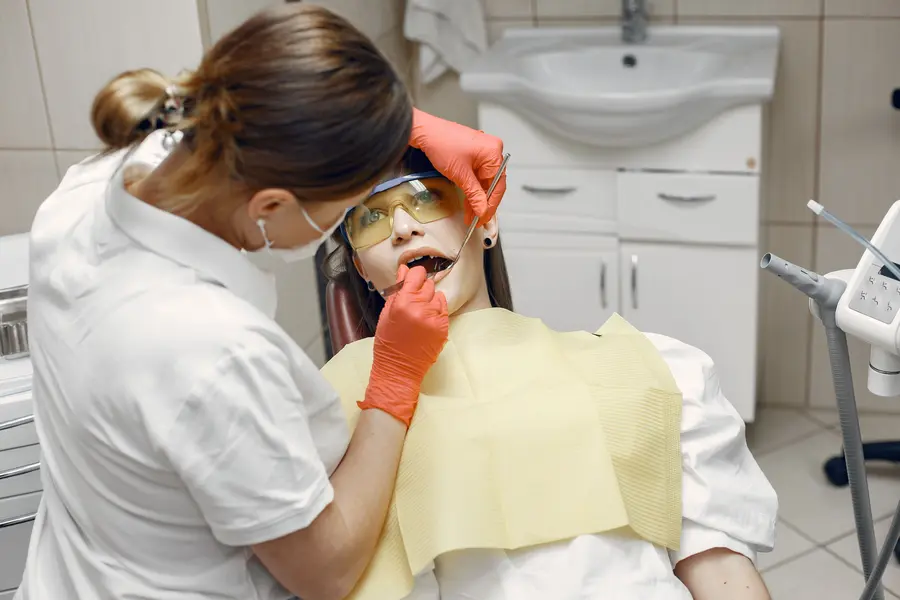
Choosing a provider for nitrous oxide sedation in Montgomery County comes down to a few specific, checkable facts rather than a general feeling of trust. Maryland Sedation Dentist can walk you through exactly which certifications apply to your recommended sedation level and answer any questions about training or state permits directly.
Contact us to schedule a consultation and ask about the credentials behind your care before your appointment, not after.