
 2918 Spencerville Rd, #124Burtonsville, MD 20866
  (301) 421 1118


Choosing the right type of dental sedation depends on several factors, including your medical history, level of dental anxiety, the complexity of your procedure, and your dentist’s recommendation. Two of the most common options are oral sedation and IV sedation. While both are designed to help patients feel more comfortable during treatment, they work differently and offer different levels of relaxation. This guide explains how each option works, their benefits, and when one may be recommended over the other.
Patients searching for oral surgery in Laurel often want treatment that prioritizes both safety and comfort. At Maryland Sedation Dentist, oral surgery procedures are carefully planned and performed with sedation options designed to help patients feel relaxed throughout treatment.
Sedation dentistry allows many patients to receive the care they need without the stress or anxiety they may associate with dental surgery.
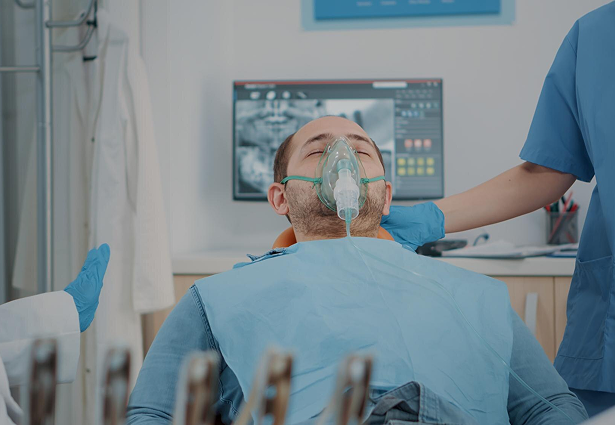
Oral Surgery Procedures Available
Maryland Sedation Dentist provides several oral surgery treatments designed to improve oral health and restore function. Each treatment plan is tailored to the patient’s condition and long-term dental goals.
Common oral surgery procedures include:
Tooth Removal Including Wisdom Teeth
Severely damaged, infected, or impacted teeth may need to be removed to protect surrounding teeth and prevent further complications.
Dental Implants
Dental implants replace missing teeth by placing a titanium post into the jawbone. The implant serves as a stable foundation for a crown, a bridge, or a full set of replacement teeth.
Bone Grafting
Bone grafting may be recommended when additional bone support is needed before dental implants can be placed. This procedure helps rebuild the jawbone structure.
Gum Grafting
Gum grafting restores receded or thin gum tissue, helping protect exposed tooth roots and improve the appearance of the smile.
PRP and PRF Therapy
PRP (platelet-rich plasma) and PRF (platelet-rich fibrin) use components from the patient’s own blood to support healing and tissue regeneration after surgery.
Oxygen and Ozone Therapy
Oxygen and ozone therapy may help reduce bacteria and support healing in the treated area.
Same-Day Full Dental Implants
Some patients may qualify for full dental implants placed soon after surgery, allowing for faster restoration of their smile.
Snap-On Dentures
Snap-on dentures attach to dental implants and offer greater stability than traditional removable dentures.
Patients considering oral surgery in Laurel begin with a consultation so the dentist can determine the most appropriate procedure.
Oral Sedation vs IV Sedation for Oral Surgery
Many patients feel anxious about oral surgery procedures. Sedation options help create a more comfortable treatment experience.
Two common sedation methods used during oral surgery in Laurel are oral sedation and IV sedation.
Oral Sedation
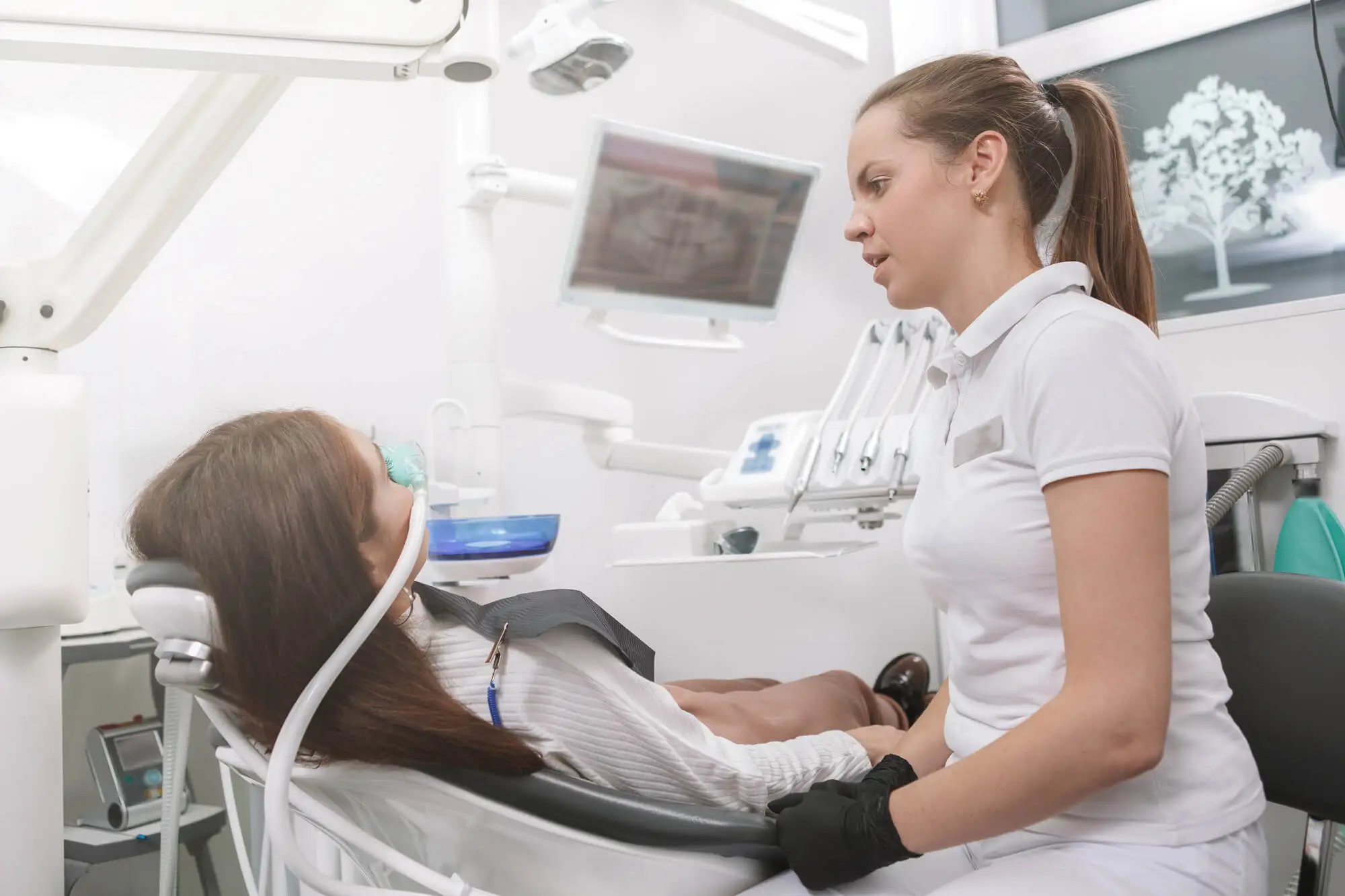
Oral sedation involves taking a prescribed medication before the procedure. This medication helps patients feel calm and relaxed while remaining awake. The effects develop gradually and help reduce anxiety throughout the appointment.
Patients who receive oral sedation typically feel drowsy and comfortable but are still able to respond to instructions from the dental team.
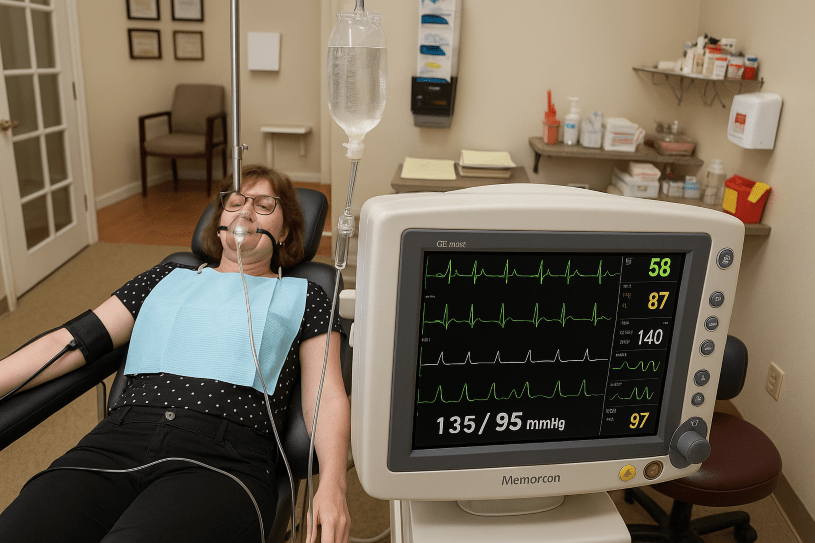
IV Sedation
IV sedation is delivered through an intravenous line and works quickly to produce a deeper level of relaxation. Because the medication enters the bloodstream directly, the dentist can adjust the level of sedation throughout the procedure.
Many patients feel very relaxed with IV sedation and may remember little of the procedure afterward.
Choosing the Right Sedation Option
The most appropriate sedation method depends on the type of oral surgery, the length of the procedure, and the patient’s comfort level. During your consultation, the dentist will review your medical history and explain which option may be recommended.
| Oral Sedation | IV Sedation |
|---|---|
| Taken as medication before treatment | Administered intravenously |
| Mild to moderate relaxation | Moderate to deep relaxation |
| Effects begin gradually | Effects begin almost immediately |
| Dosage cannot be adjusted once taken | Sedation level can be adjusted during treatment |
| Suitable for mild anxiety | Often recommended for severe anxiety or lengthy procedures |
Which Sedation Option Is Right for You?
There isn’t a single sedation method that’s right for every patient. Oral sedation may be appropriate for patients with mild to moderate dental anxiety or shorter procedures, while IV sedation is often recommended for individuals with severe dental anxiety, complex treatments, or those who prefer a deeper level of relaxation. Your dentist will review your medical history, treatment plan, and comfort level before recommending the most appropriate option.
Schedule a Consultation for Oral Surgery in Laurel
If you’re unsure which type of dental sedation may be appropriate for your treatment, our team can evaluate your medical history, discuss your comfort level, and recommend the option that best fits your needs.
Contact Maryland Sedation Dentist today to schedule your consultation and learn how oral surgery and sedation dentistry can help restore your oral health and comfort.