
 2918 Spencerville Rd, #124Burtonsville, MD 20866
  (301) 421 1118


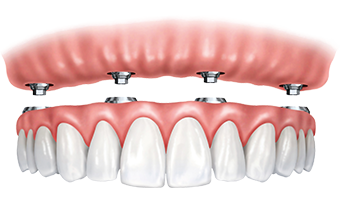
Snap-on dentures attach to a small number of implants and snap in and out for cleaning, which typically makes them a more accessible entry point into implant-supported tooth replacement than a full fixed arch. Cost depends on how many implants are placed and the condition of your gums and jawbone. A consultation at our Burtonsville office is the only reliable way to get a number specific to your case.
If you’re considering replacing multiple missing teeth, snap-on denture implants offer a stable, comfortable alternative to traditional dentures without the higher cost of permanently fixed full-mouth implants. They combine the affordability of removable dentures with the added security of dental implants, allowing you to eat, speak, and smile with greater confidence.
The cost of snap-on denture implants varies depending on several factors, including the number of implants placed, whether you’re replacing an upper arch, lower arch, or both, the materials used, and whether additional procedures are needed before implant placement.
At Maryland Sedation Dentist, we believe patients should fully understand their treatment options before making a decision. This guide explains average snap-on denture costs, compares treatment alternatives, outlines factors that influence pricing, and answers common questions so you can determine whether snap-on dentures are the right solution for your smile.
Snap-On Dentures vs All on 4 Dental Implants Video
Average Snap-On Denture Implant Costs in 2026
Snap-on dentures are generally considered a middle-ground solution between traditional removable dentures and permanently fixed implant restorations. They provide significantly more stability than conventional dentures while remaining more affordable than treatments such as All-on-4® dental implants.
Average treatment costs include:
| Treatment Option | Estimated Cost Range (2026) |
| Traditional Dentures | $2,000–$8,000 |
| Snap-On Denture Implants (Single Arch) | $10,000–$17,000 |
| Full Mouth Snap-On Denture Implants | $25,000–$35,000 |
| All-on-4® Dental Implants | $45,000–$55,000 |
These figures are general estimates and may vary depending on your individual treatment needs.
Your personalized treatment plan may include:
- Comprehensive consultation
- Digital 3D CBCT imaging
- Tooth extractions, if necessary
- Dental implant placement
- Temporary dentures during healing
- Custom snap-on dentures
- Follow-up appointments
During your consultation, your dentist will evaluate your oral health, discuss your goals, and provide a personalized estimate based on your specific needs.
What Affects the Cost of Snap-On Denture Implants?
Every patient’s smile is unique, so treatment costs can vary considerably. While the ranges above provide a helpful starting point, the final investment depends on clinical complexity, bone health, and the type of restoration required.
Number of Implants Required
One of the biggest cost factors is the number of implants needed to support your denture.
Some lower dentures can be stabilized using as few as two implants, while many upper arches require four or more implants for optimal support and retention. Patients replacing both arches generally require additional implants, increasing the overall cost.
In more complex cases, additional implants may be recommended to improve long-term stability, especially if the patient has experienced significant bone loss over time.
Your dentist will recommend the appropriate number of implants based on your bone quality, jaw anatomy, and treatment goals. This ensures that your final restoration is both secure and long-lasting.
Upper vs. Lower Arch
Replacing a single arch generally costs less than replacing both arches.
Upper dentures often require additional implants because the upper jaw typically has softer bone than the lower jaw, requiring greater support to achieve long-term stability. In contrast, the lower jaw usually provides denser bone, which can sometimes allow for fewer implants.
When both arches are restored, the treatment becomes more comprehensive, requiring additional planning, materials, and clinical time, which increases the total cost.
Additional Procedures
Some patients require preparatory treatment before implant placement. These procedures are essential for ensuring that the implants integrate properly and remain stable over time.
Additional procedures may include:
- Tooth extractions
- Bone grafting
- Sinus lift procedures (for upper jaw cases)
- Platelet-Rich Fibrin (PRF) therapy
- Digital 3D imaging and surgical planning
- IV sedation for comfort during treatment
Although these services increase the overall investment, they help create a healthy foundation for successful implant treatment. In many cases, they significantly improve long-term outcomes and reduce the risk of complications.
Materials Used
Snap-on dentures are commonly fabricated from durable acrylic materials designed to withstand everyday function. These materials are chosen for their balance of strength, aesthetics, and affordability.
The implant attachments, locator components, and restorative materials selected for your treatment also influence the final cost. Higher-quality components may last longer and provide improved comfort and retention.
Your dentist will explain the materials recommended for your smile and why they’re appropriate for your individual treatment plan, ensuring you understand both the short-term and long-term value of your investment.
Implant-Supported Dentures vs. Snap-On Dentures
Patients often use the terms implant-supported dentures and snap-on dentures interchangeably because both treatments use dental implants to improve denture stability.
In many cases, a snap-on denture is a type of implant-supported denture that attaches securely to implants using specialized locator attachments. The denture can be removed daily for cleaning while remaining much more stable than traditional dentures during eating and speaking.
Compared with conventional dentures, snap-on dentures:
- Stay securely in place without adhesives
- Improve chewing ability and bite strength
- Reduce slipping while talking or laughing
- Help stimulate the jawbone and slow bone loss
- Provide greater confidence during daily activities
For many patients, they offer an excellent balance between affordability, comfort, and function. They are especially beneficial for individuals who want improved stability but are not ready to invest in a fully fixed implant solution.
How Many Implants Are Needed?
The number of implants required depends on your treatment plan and the arch being restored.
Many lower snap-on dentures can be supported with two implants, although four implants often provide additional stability and improved long-term performance. Upper dentures generally require four implants because of differences in bone density and anatomical structure.
In some cases, patients with significant bone loss may require additional implants or bone grafting to ensure proper support.
After reviewing your digital images and oral health, your dentist will determine the ideal number of implants needed to support your new smile safely and predictably. This customized approach ensures that your denture fits comfortably and functions effectively for years to come.
Are Snap-On Denture Implants Worth the Cost?
For many patients, snap-on denture implants are considered a worthwhile investment because they significantly improve quality of life compared to traditional dentures.
While the upfront cost is higher than removable dentures, the long-term benefits often justify the expense. Patients typically experience improved comfort, better chewing ability, and increased confidence in social situations.
Additional long-term advantages include:
- Reduced need for adhesives and denture adjustments
- Improved speech clarity
- Better preservation of jawbone structure
- Increased durability compared to traditional dentures
When evaluating cost, it is important to consider not only the initial price but also the long-term value and reduced maintenance needs.
Insurance and Financing Options
Dental insurance coverage for snap-on denture implants varies widely. Some plans may cover portions of the treatment, such as extractions or dentures, while others may not include implant procedures.
Because coverage is inconsistent, many patients choose financing options to make treatment more affordable. Common payment solutions include:
- In-house payment plans
- Third-party financing providers
- Health savings accounts (HSA) or flexible spending accounts (FSA)
At Maryland Sedation Dentist, our team helps patients explore available financial options so they can move forward with treatment in a way that fits their budget.
Maintenance and Long-Term Care Costs
After receiving snap-on denture implants, ongoing maintenance is required to keep your smile healthy and functional.
Routine care typically includes:
- Daily cleaning of the denture
- Regular dental checkups
- Periodic replacement of locator attachments or components
Over time, some parts of the denture system may need adjustment or replacement due to normal wear. These maintenance costs are generally lower than the initial treatment but should still be considered when planning for long-term care.
Proper maintenance helps extend the lifespan of your implants and ensures continued comfort and stability.
Maintenance and Long-Term Care for Snap-On Denture Implants
One of the key advantages of snap-on denture implants is that they are designed for daily removal, making them easier to clean and maintain compared to fixed implant restorations. However, proper care is essential to protect both the implants and the denture itself.
Daily Cleaning Routine
To keep your snap-on dentures in optimal condition, it is important to clean them every day. This typically includes:
- Removing the denture after meals or before bedtime
- Brushing the denture gently with a soft-bristled brush
- Using non-abrasive denture cleansers (avoiding regular toothpaste, which can scratch the surface)
- Cleaning around the implant attachments in the mouth to remove plaque buildup
Maintaining a consistent cleaning routine helps prevent irritation, odor, and bacterial accumulation.
Oral Hygiene for Implant Health
Even though the denture is removable, the implants remain permanently placed in the jawbone and require ongoing care. Patients should:
- Brush the gums and implant sites gently twice daily
- Use floss or interdental brushes as recommended
- Rinse with an antibacterial mouthwash if advised by their dentist
Healthy gums are essential for long-term implant success.
Regular Dental Checkups
Routine dental visits are critical for monitoring the condition of both the implants and the denture. During these appointments, your dentist will:
- Check implant stability
- Inspect attachment components for wear
- Professionally clean hard-to-reach areas
- Adjust the denture fit if needed
Most patients benefit from checkups every 6 months, though some may require more frequent visits depending on their oral health.
Longevity and Maintenance Costs
While snap-on dentures are durable, certain components may need replacement over time. Locator attachments, for example, can wear down and require periodic replacement to maintain a secure fit. The denture itself may also need relining or adjustment as the jawbone naturally changes shape.
These maintenance needs are typically minor compared to the long-term benefits of improved function and comfort.
Frequently Asked Questions
The dental implants themselves are designed to last for many years with proper care. The snap-on denture may need to be relined, repaired, or replaced over time because of normal wear, while the locator attachments may require periodic replacement to maintain a secure fit. With good oral hygiene and regular dental checkups, many patients enjoy long-term success with their implant-supported dentures.
Yes. Unlike permanently fixed full-arch implant restorations, snap-on dentures are designed to be removed each day for cleaning while remaining securely attached during normal eating and speaking. This removability makes them easier to maintain than fixed options, while still providing significantly more stability than traditional dentures.
For many patients, yes. Because they’re supported by dental implants, snap-on dentures provide greater stability, improved chewing ability, and better comfort than conventional dentures. They also eliminate the need for denture adhesives. Many patients also report improved confidence in social situations since the dentures are less likely to slip or shift during speech or meals.
Coverage varies by insurance provider and individual plan. Some policies may contribute toward portions of treatment, such as extractions or dentures, while implant coverage may be limited. Our team can help review your available benefits before treatment begins. We can also provide a breakdown of expected costs so you understand your out-of-pocket responsibility in advance.
In most cases, yes. Snap-on dentures generally require fewer implants and a removable restoration, making them a more affordable alternative to permanently fixed options such as All-on-4® dental implants. They can be an excellent option for patients who want implant stability but are looking for a more budget-friendly solution.
Recovery time varies depending on the number of implants placed and whether any additional procedures, such as extractions or bone grafting, are needed. Most patients experience mild swelling or discomfort for a few days after implant placement. Many can return to normal daily activities within 24–72 hours, although full healing of the implants typically takes several months before the final denture is attached.
Yes. One of the biggest advantages of snap-on dentures is improved chewing ability compared to traditional dentures. While patients may need a short adjustment period, most can enjoy a wide variety of foods, including items that are typically difficult to eat with conventional dentures, such as apples, steak, and corn on the cob.
Daily care is simple. Patients should remove the denture each night, clean it with a soft brush and non-abrasive cleanser, and rinse the implant attachments in the mouth. Regular dental visits are also important to ensure the implants and attachments remain in good condition and to make any necessary adjustments over time.
Ready to Restore Your Smile with Snap-On Dentures?
If you’re considering snap-on denture implants, we’re here to help. Maryland Sedation Dentistry can walk you through every step of the process. Our team will answer your questions and explain your options clearly. Contact us today to schedule your consultation and take the first step toward a more confident smile.
Schedule a Snap-On Denture Consultation
*Nobel Biocare, NobelProcera, NobelGuide and All-on-4 are trademarks of the Nobel Biocare group.