
 2918 Spencerville Rd, #124Burtonsville, MD 20866
  (301) 421 1118

Signs Your Wisdom Teeth Are Starting to Cause Problems
Pain in the back of your mouth can feel confusing, especially if it starts suddenly or keeps returning. Many patients are unsure whether the discomfort is due to a cavity, gum irritation, or wisdom teeth starting to cause pressure. These symptoms can interrupt eating, talking, and even sleeping. If this sounds familiar, you may be nearing the point where wisdom teeth removal in Maryland becomes necessary. Understanding early signs can help you know what’s happening and why your mouth feels different.

Common Symptoms You Shouldn’t Overlook
Persistent Jaw or Gum Soreness
One of the first signs of wisdom tooth problems is a dull ache in the back of the mouth. This soreness may come and go or worsen while chewing. As wisdom teeth push against nearby teeth or gums, the pressure creates irritation. Some patients also notice swelling around the gums in that area. If the discomfort becomes more frequent, it may indicate that the teeth are impacted or growing in at an angle.
Red or Puffy Gum Tissue
Gum tissue surrounding a partially erupted wisdom tooth often becomes inflamed. Food and bacteria can collect under the gum flap that forms over the tooth. This causes redness, swelling, and a tender feeling when brushing or eating.
Over time, the inflammation may worsen and make it more difficult to open your mouth comfortably.
Bad Taste or Odor
An unpleasant taste near the back of your mouth can point to a pocket of bacteria forming around a wisdom tooth. This happens when the area traps debris and is difficult to clean. Some patients also notice bad breath that doesn’t go away even with regular brushing. These symptoms may signal an infection that needs attention.
Headaches or Ear Pain
Wisdom teeth often create pressure along the jaw, which can radiate upward. This tension may cause headaches or even discomfort near the ears. Because the nerves are closely connected, the pain may initially feel unrelated to your teeth. If these symptoms appear without a clear cause, the position of your wisdom teeth may be a factor.
Crowding or Shifting Teeth
Some patients notice their teeth feel tighter or appear slightly out of position. As wisdom teeth grow, they can cause pressure on neighboring teeth. This pressure may alter tooth spacing and cause discomfort when biting down. Even small shifts can signal that the back teeth are moving.
How Wisdom Teeth Create These Problems
Impaction and Limited Space
Most people don’t have enough room in their jaw for an extra set of molars. Wisdom teeth may become trapped under the gum or grow sideways. This is known as impaction. Impacted teeth can press on nerves, bone, and nearby molars, causing pain or swelling.
Partial Eruption
When a wisdom tooth only breaks through the gum partway, it leaves a small gap that allows bacteria to collect. This can lead to inflammation or infection, especially if the area remains difficult to clean.
Pressure on Surrounding Structures
The force of wisdom teeth pushing upward or forward can create tension throughout the jaw. Over time, this may affect your bite or cause discomfort in areas that seem unrelated to the issue.
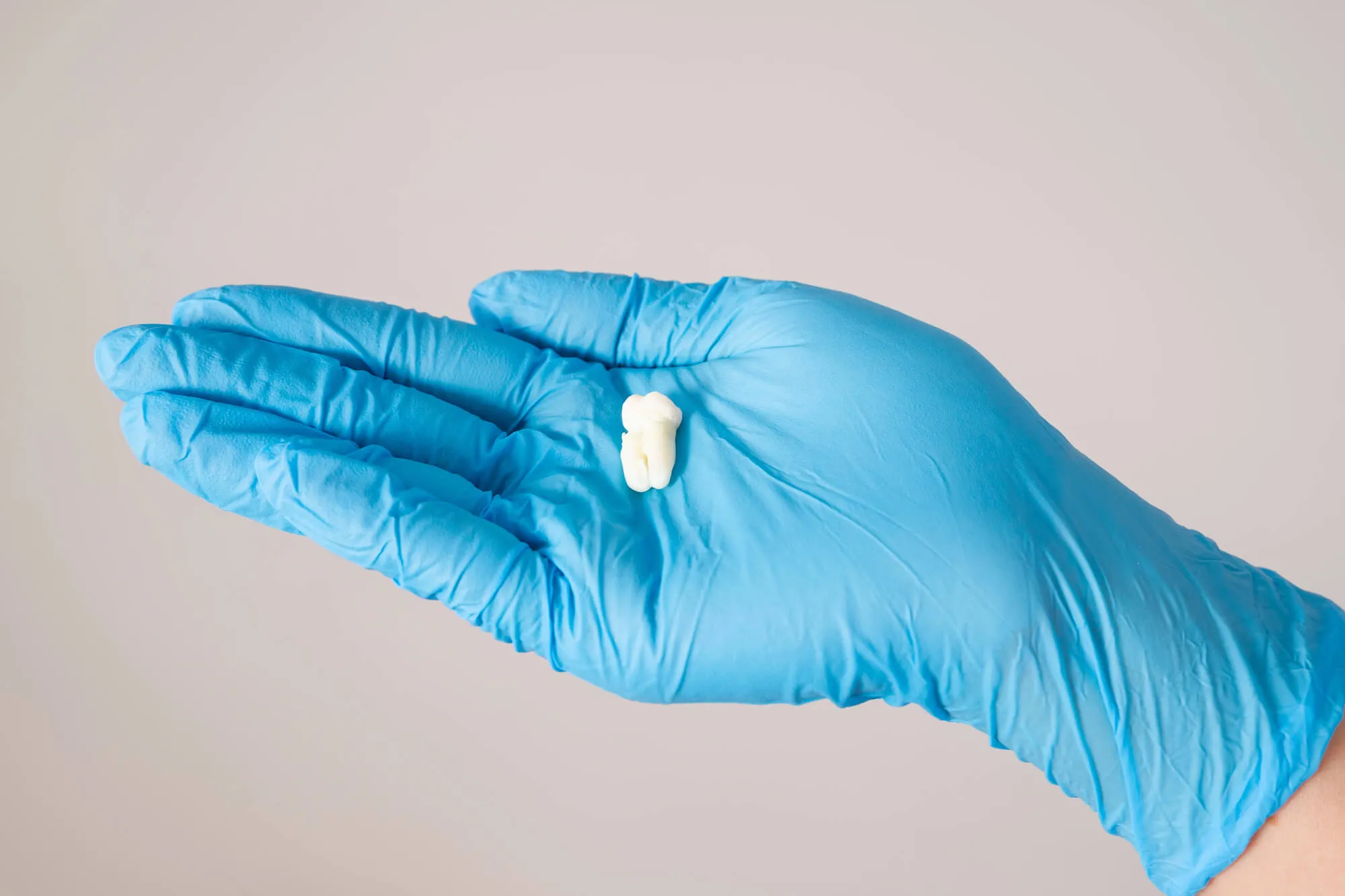
Check With Your Dentist If You Need Wisdom Teeth Removal in Maryland
If these symptoms sound familiar, it may be time for an evaluation. Early care helps prevent discomfort from worsening and supports long-term oral health. A simple assessment can show whether your wisdom teeth are impacted, infected, or moving in a way that affects nearby teeth. Addressing these concerns early helps reduce discomfort and maintain your mouth’s optimal functioning.
Maryland Sedation Dentist focuses on comfort-first care, gentle communication, and sedation options designed to ease anxiety. If you’re noticing any of these signs or want clarity about your wisdom teeth, our team is ready to guide you with calm, attentive support every step of the way. Contact us today!