
 2918 Spencerville Rd, #124Burtonsville, MD 20866
  (301) 421 1118

Sedation Dentistry: Is It Safe During Pregnancy?
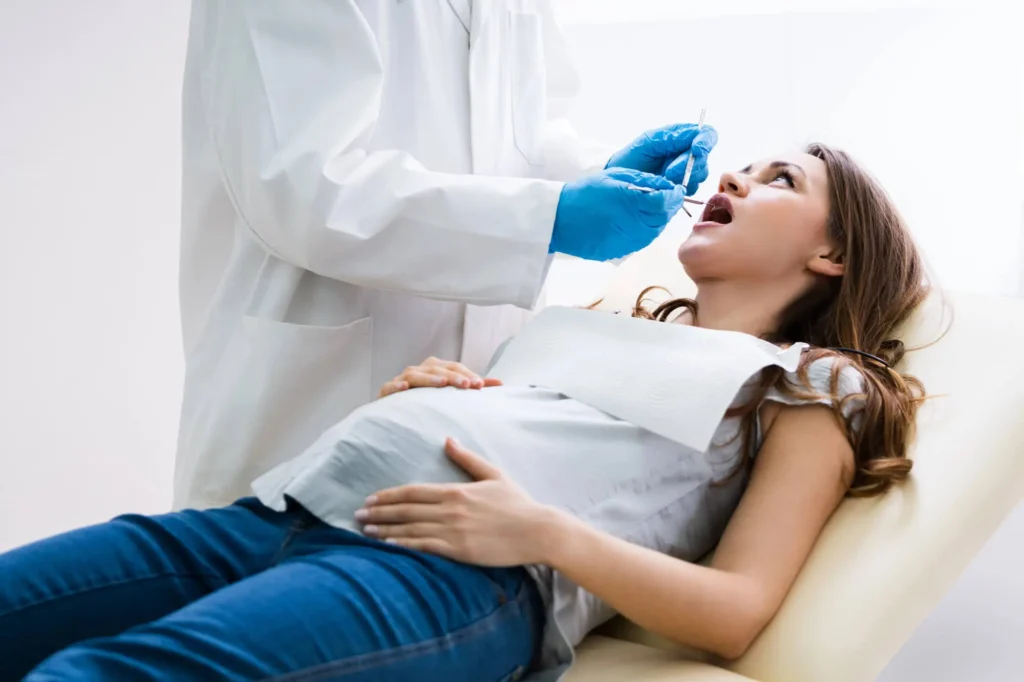
If you’re expecting a baby and facing a necessary dental procedure, the thought of sedation might feel overwhelming. Your safety—and your baby’s—is your top priority. So it’s natural to ask: Is sedation dentistry in Maryland safe during pregnancy?
The general answer is yes, moms-to-be can get subtle sedation to obtain the dental care they need without risk. Still, by understanding how sedation works for pregnant women, you can feel comfortable and informed during your next dental appointment.
What Is Sedation Dentistry?
Sedation dentistry involves the use of medication to help patients relax during dental procedures. It can range from mild anxiety relief (nitrous oxide) to deeper sedation (oral or IV) used for more serious procedures.
For most patients, sedation has become so common during dental procedures that it doesn’t pose the need for question—however, extra consideration is always worth it during pregnancy.
Is Sedation Safe During Pregnancy?
The answer depends on the type of sedation and the stage of pregnancy. According to the American Dental Association (ADA) and American College of Obstetricians and Gynecologists (ACOG), routine dental care is safe—and even encouraged—during pregnancy.
However, when sedation is needed, the approach must be carefully tailored to protect both you and your baby.
Nitrous Oxide
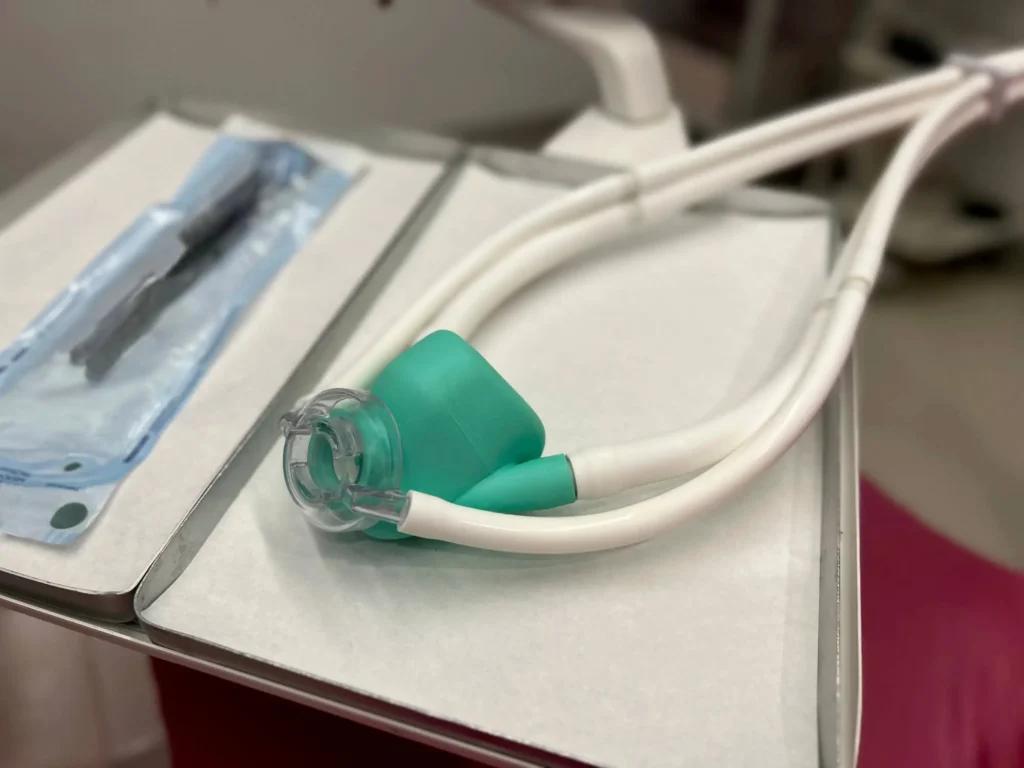
Also known as laughing gas, nitrous oxide is the safest option. It is commonly used for minimal procedures because it instills a subtle feeling of calmness, and it is rapidly eliminated from the body, causing no side effects.
Some OB-GYNs approve its use in the second or third trimester. However, the recommendation is that it must be administered with 100% oxygen afterward to avoid risk to the baby.
- Important: Not all Maryland dental offices offer nitrous oxide to pregnant patients. We consult directly with your OB-GYN before proceeding.
Use With Caution: Oral Sedatives & IV Sedation
Oral sedatives are taken before your dental appointment, inducing a deeper sense of relaxation. Because these enter the bloodstream and may affect fetal development, they’re not recommended for expecting mothers—especially in the first trimester.
It should be reserved only for urgent dental care when no other alternative exists.
Timing Matters: What Trimester Are You In?
- First Trimester: Sedation and elective procedures are typically avoided. This is a critical period of fetal development.
- Second Trimester: Considered the safest window for necessary dental treatment with mild sedation if approved by your physician.
- Third Trimester: Sedation becomes riskier again, and lying back for long periods can be uncomfortable or cause circulatory issues.
The Importance of Getting Dental Care During Pregnancy
During pregnancy, a dental emergency can feel like the last thing you need—but they’re more common than you may imagine. Hormone changes during pregnancy, food cravings, and overall lifestyle changes can affect your diet and impact your mouth, leaving you more vulnerable to decay and gum disease.
For this reason, expectant mothers should schedule at least one visit to the dentist. We will examine the health of your smile and work closely with your OB-GYN to determine the best time for treatment or delay non-urgent procedures until after delivery.
Need Dental Treatment While Pregnant? Talk to a Sedation Dentistry Expert in Maryland
Don’t delay important dental care because of pregnancy-related concerns. Oral infections, tooth decay, and gum disease can pose greater risks to your health—and your baby’s—than the procedures needed to treat them.
Whether you’re facing a dental emergency, severe anxiety, or simply have questions, our team is here to guide you with compassion and clarity. Contact Maryland Sedation Dentist today, and let’s keep your smile in top condition!