
 2918 Spencerville Rd, #124Burtonsville, MD 20866
  (301) 421 1118


Replacing an entire arch or both arches of missing or failing teeth with dental implants is a significant investment. The cost of full mouth dental implants varies depending on the number of implants needed, the type of restoration selected, your oral health, and whether additional procedures are required.
This guide explains current full mouth dental implant costs, compares treatment options, and outlines the factors that influence pricing.
Full Mouth Dental Implant Costs in Montgomery County, MD
For patients researching the cost of full mouth dental implants in Montgomery County, the final investment depends on the type of restoration, number of implants, necessary extractions or bone grafting, sedation needs, and materials used for the final teeth. At Maryland Sedation Dentist in Burtonsville, MD, we evaluate each case individually and provide a personalized treatment plan and cost estimate during your consultation.
How Much Do Full Mouth Dental Implants Cost in 2026?
The cost of full mouth dental implants varies based on the treatment you receive. Nationally, patients can generally expect to invest between $20,000 and $80,000 for a full upper and lower restoration. The final cost depends on your personalized treatment plan, the materials used, and the complexity of your case.
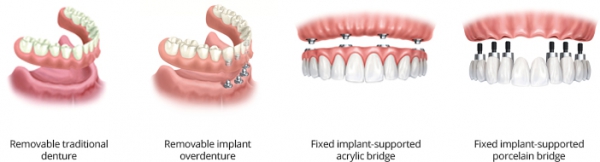
Below is a general comparison of common full-mouth tooth replacement options.
| Treatment Option | Estimated Cost Range (2026) | Typical Features |
| Traditional Dentures | $2,000–$8,000 | Removable replacement for missing teeth without implants |
| Implant-Supported Dentures (Snap-On Dentures) | $25,000–$35,000 | Removable dentures that securely attach to dental implants |
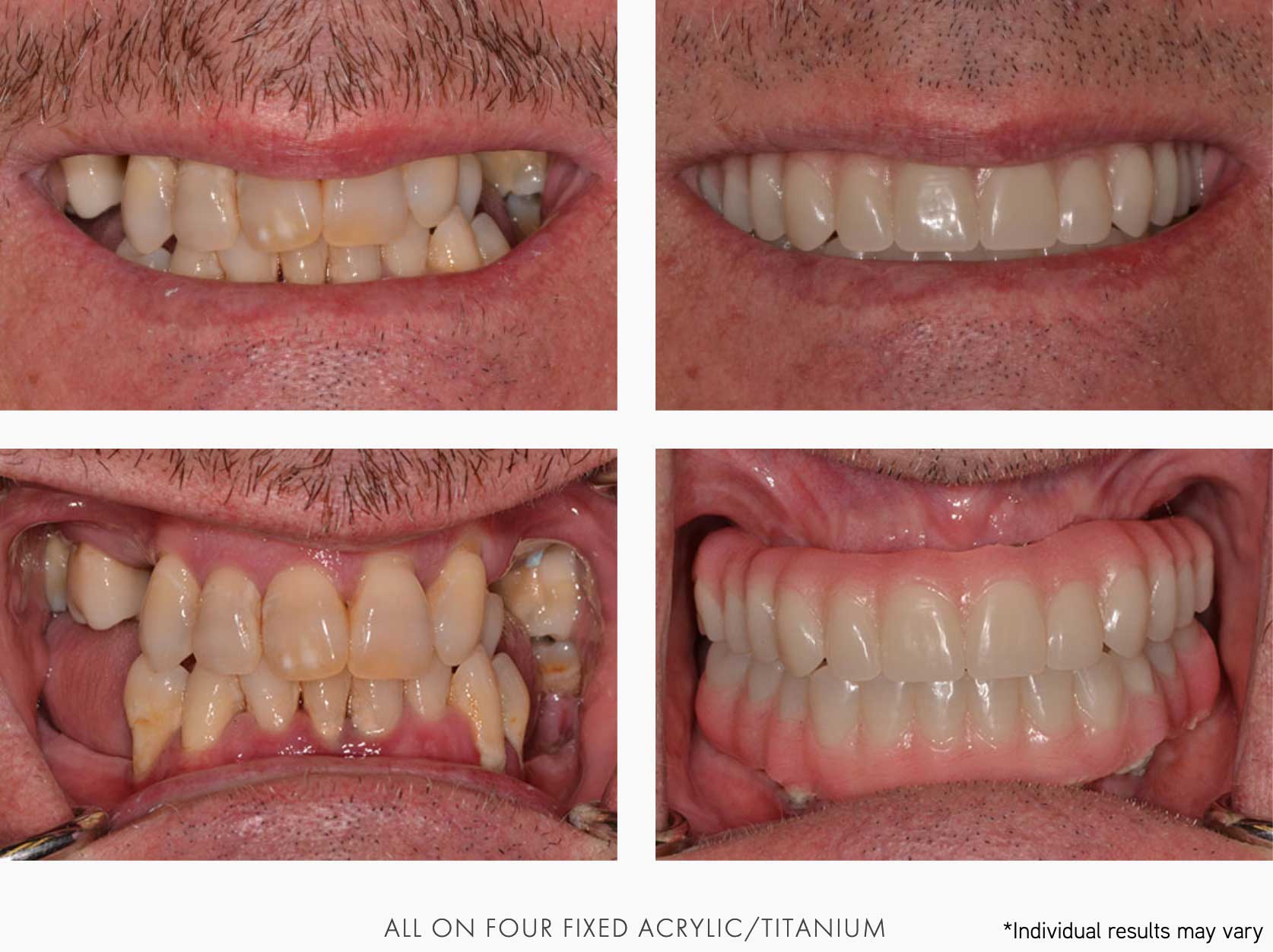
| All-on-4® Dental Implants | $40,000–$55,000 | Fixed restoration supported by four implants per arch |
| All-on-6 Dental Implants | $45,000–$65,000 | Fixed restoration supported by six implants for additional stability |
| Full Mouth Individual Dental Implants | $45,000–$80,000 | Multiple individual implants replacing an entire arch or both arches |
These figures are general estimates. Your actual treatment cost will depend on your individual needs and treatment recommendations.
During your consultation, our doctors will perform a comprehensive evaluation, review your treatment options, and provide a personalized estimate based on your oral health goals.
Full Mouth Dental Implant Options Video
Frequently Asked Questions about All on 4 full mouth implants:
- What is the Cost of full mouth dental implants
- How much is full top set of dental implants
- What do full mouth implants look like?
- How long do full mouth implants last?
- Can I get all my teeth replaced with individual implants?
If you truly want to find out the exact cost we recommend you come into our office for a free consultation with one of our doctors. The consultation includes a 3D X ray, a complete review of your case and the different implant and teeth options
What Affects the Cost of Full Mouth Dental Implants?
No two implant cases are exactly alike. Several factors influence the total cost of treatment, which is why a comprehensive consultation is essential before receiving an accurate estimate.
Number of Implants Needed
One of the biggest factors affecting cost is the number of implants required to support your new smile.
Some patients are candidates for implant-supported dentures that use fewer implants, while others may benefit from All-on-4®, All-on-6, or individual dental implants.
Type of Restoration
The restoration attached to your implants also affects the total investment.
Removable implant-supported dentures generally cost less than permanently fixed restorations because they require fewer implants and a different type of prosthesis. Permanently fixed teeth remain securely attached and are designed to closely resemble the appearance and function of natural teeth.
Materials Used
The materials selected for your final restoration also influence pricing.
For example, acrylic restorations typically have a lower upfront cost, while zirconia restorations are valued for their exceptional durability, strength, and natural appearance.
Additional Procedures
Some patients require preparatory treatment before dental implants can be placed successfully.
These procedures may include:
- Tooth extractions
- Bone grafting
- Platelet-Rich Fibrin (PRF) therapy
- 3D CBCT imaging
Not every patient requires these services, but when they are recommended, they help create a healthy foundation for successful implant placement and long-term stability.
Experience and Technology
Experienced implant dentists use advanced diagnostics, digital planning, and high-quality materials to improve precision and long-term success.
Comparing Full Mouth Dental Implant Options
Choosing the right full-mouth tooth replacement solution involves more than comparing costs. Each option offers different benefits in terms of comfort, stability, maintenance, and long-term value. Understanding these differences can help you select the treatment that best fits your oral health needs, lifestyle, and budget.
All-on-4® Dental Implants
All-on-4® uses four implants to support a full arch of teeth. Because fewer implants are required, treatment may cost less than restorations supported by more implants. Many patients also avoid extensive bone grafting.
All-on-6 Dental Implants
All-on-6 follows the same concept as All-on-4® but uses six implants to support each arch instead of four. The additional implants distribute biting forces across a larger area, which may provide increased stability and support for some patients.
Implant-Supported Dentures
Implant-supported dentures—often called snap-on dentures—combine the affordability of removable dentures with the added stability of dental implants.
Traditional Dentures
Traditional dentures remain one of the most affordable ways to replace a full arch of missing teeth. They do not require surgery or dental implants, making them an option for patients who may not be candidates for implant treatment.
Comparing Your Full-Mouth Tooth Replacement Options
| Treatment | Stability | Removable | Bone Support | Typical Cost |
| Traditional Dentures | Moderate | Yes | No | Lowest |
| Implant-Supported Dentures | High | Yes | Yes | Moderate |
| All-on-4® | Very High | No | Yes | Higher |
| All-on-6 | Excellent | No | Yes | Higher |
| Individual Full-Mouth Implants | Excellent | No | Yes | Highest |
Each treatment offers unique advantages, and there is no single solution that’s right for everyone. During your consultation, we’ll explain your options in detail and recommend the treatment that best aligns with your oral health, lifestyle, and long-term goals.
Does Dental Insurance Cover Full Mouth Dental Implants?
Dental insurance benefits for full-mouth dental implants vary significantly depending on your provider and individual plan. While many plans do not cover the full cost of implant treatment, they may provide benefits for certain parts of the procedure.
Depending on your coverage, insurance may help pay for:
- Initial consultations and diagnostic imaging
- Tooth extractions
- Certain restorative procedures
- Implant-supported crowns or prosthetic components
Most dental insurance plans include annual maximum benefits, which may only cover a portion of treatment costs. Because every policy is different, reviewing your benefits before treatment begins can help you better understand your expected out-of-pocket expenses.
Our team is happy to review your insurance information, explain your available benefits, and provide a detailed treatment estimate before you begin care.
Financing and Payment Options
We understand that full-mouth dental implants are a significant investment, which is why many patients choose financing to make treatment more manageable.
Monthly financing can allow you to begin treatment sooner while spreading the cost into predictable payments that fit your budget. Depending on your approved financing plan, many patients are able to make affordable monthly payments rather than paying the entire treatment cost upfront.
During your consultation, we’ll discuss your financing options, review estimated treatment costs, and answer any questions you have about payment planning. Our goal is to help you move forward with treatment confidently while finding a financial solution that works for your needs.
Who Is a Candidate for Full Mouth Dental Implants?
Full-mouth dental implants may be an excellent option for patients who are missing most or all of their teeth, have multiple failing teeth, or are looking for a more stable alternative to traditional dentures. However, determining whether you’re a candidate requires a comprehensive evaluation of your oral health, bone structure, and overall medical history.
You may be a candidate for full-mouth dental implants if you:
- Are missing most or all of your natural teeth
- Have teeth that cannot be predictably restored
- Want a secure, long-term alternative to removable dentures
- Have adequate jawbone to support dental implants or are a candidate for bone grafting
- Are committed to maintaining good oral hygiene and regular dental visits
Your dentist will evaluate your oral health and medical history to determine whether implants are appropriate.
What Is the Treatment Timeline for Full Mouth Dental Implants?
Every patient’s treatment plan is different, but most full-mouth implant cases follow a similar process. The timeline depends on factors such as healing, bone quality, and whether preparatory procedures are needed before implant placement.
Initial Consultation and Treatment Planning
Your first appointment includes a comprehensive examination, digital imaging, and a discussion of your treatment goals. Using this information, your dentist develops a customized treatment plan and reviews your recommended implant options, estimated costs, and expected timeline.
Preparatory Procedures
If necessary, tooth extractions, bone grafting, or other procedures may be completed before implant surgery. These treatments help create a stable foundation for successful implant placement.
Implant Placement Surgery
Dental implants are surgically placed into the jawbone while you’re comfortably cared for using the appropriate sedation option for your treatment. In many cases, temporary teeth can be placed on the same day, allowing you to leave the office with a functional smile while your implants heal.
Healing and Osseointegration
Over the next several months, the implants gradually fuse with your jawbone through a natural process called osseointegration. This healing period is essential because it creates the stable foundation needed to support your permanent restoration.
Final Restoration
Once healing is complete, detailed impressions are taken to fabricate your custom restoration. After ensuring the fit, function, and appearance meet your expectations, your permanent teeth are securely attached, completing your smile transformation.
What Can You Expect During Recovery?
Recovery after full-mouth dental implant surgery varies from patient to patient, but most people experience temporary swelling, mild discomfort, and bruising during the first few days.
Your dentist will provide detailed aftercare instructions to help promote comfortable healing. These instructions may include recommendations for managing swelling, maintaining oral hygiene, and following a temporary soft-food diet while your implants heal.
Many patients return to normal daily activities within a few days, although complete healing and integration of the implants takes several months. Attending follow-up appointments allows your dentist to monitor your progress and ensure your implants are healing properly.
Long-Term Maintenance Costs
Although dental implants are designed to be a long-lasting tooth replacement solution, maintaining them requires an ongoing commitment to oral health.
Routine maintenance may include:
- Professional dental cleanings
- Periodic implant examinations
- Digital X-rays when recommended
- Replacement of worn prosthetic components if needed
- Repairs or adjustments over time
Unlike natural teeth, implants cannot develop cavities. However, the surrounding gums and supporting bone still require proper care to remain healthy. Daily brushing, flossing or using implant-specific cleaning aids, and regular dental visits all play an important role in protecting your investment.
When properly maintained, dental implants can provide many years of dependable function and may reduce some of the long-term challenges associated with traditional removable dentures.
Are Full Mouth Dental Implants Worth the Cost?
For many patients, the decision to replace missing teeth extends beyond cost alone. Full-mouth dental implants are designed to restore the function, comfort, and appearance of your smile while providing a stable foundation that supports everyday activities like eating and speaking.
Compared with traditional dentures, implant-supported restorations often offer improved stability, greater chewing efficiency, and increased confidence because they remain securely in place. Dental implants also stimulate the jawbone, helping reduce the bone loss that naturally occurs after teeth are lost.
While the initial investment is higher than many other tooth replacement options, many patients find that the long-term benefits—including improved comfort, durability, and quality of life—make full-mouth dental implants a worthwhile solution.
Frequently Asked Questions About Full Mouth Dental Implants
The cost of full mouth dental implants depends on several factors, including the number of implants needed, the type of restoration you choose, the materials used, and whether additional procedures such as bone grafting or tooth extractions are required. After your consultation, your dentist will provide a personalized treatment plan with a detailed cost estimate.
In many cases, yes. All-on-4® treatment generally uses fewer implants than full-mouth restorations supported by multiple individual implants, which may reduce the overall cost. However, the most appropriate treatment depends on your oral health, bone structure, and long-term goals rather than price alone.
Insurance coverage varies by provider and plan. While some policies may contribute toward diagnostic imaging, extractions, or certain restorative components, many patients are responsible for a portion of the overall treatment cost. Our team can review your benefits and explain what your insurance may cover before treatment begins.
Both treatments have advantages, but dental implants provide greater stability because they are anchored directly into the jawbone. Many patients report improved chewing ability, increased comfort, clearer speech, and greater confidence compared to traditional removable dentures.
Many patients can replace an entire upper arch, lower arch, or both arches with implant-supported restorations. After evaluating your oral health, jawbone, and treatment goals, your dentist will recommend the option that’s best suited for your needs.
Schedule Your Full Mouth Dental Implant Consultation
If you’re considering full mouth dental implants, the best way to understand your treatment options and costs is through a comprehensive consultation. At Maryland Sedation Dentist, our experienced team takes the time to evaluate your oral health, discuss your goals, and develop a personalized treatment plan designed around your unique needs.
Whether you’re exploring implant-supported dentures, All-on-4®, All-on-6, or a full-mouth implant restoration, we’ll explain each option, answer your questions, and provide a detailed estimate so you can make an informed decision with confidence.
We also offer financing options to help make treatment more accessible and can review your available insurance benefits before you begin care.
Contact Maryland Sedation Dentist today to schedule your consultation and learn which full-mouth dental implant solution is right for your smile.
*”Nobel Biocare, NobelProcera, NobelGuide and All-on-4 are trademarks of the Nobel Biocare group.”
0 Comments
No comments yet. Be the first to comment!
Comments are closed.