
 2918 Spencerville Rd, #124Burtonsville, MD 20866
  (301) 421 1118

Home Remedies Before Visiting an Emergency Dentist in 20866
Dental emergencies can occur unexpectedly, causing severe pain and discomfort that may leave you unsure of what to do. Whether you’re dealing with a sudden toothache, a broken tooth, or gum swelling, finding relief while you wait to see a dental professional is crucial. If you’re in need of an emergency dentist in 20866, there are several home remedies you can try to ease the pain and make the situation more manageable.
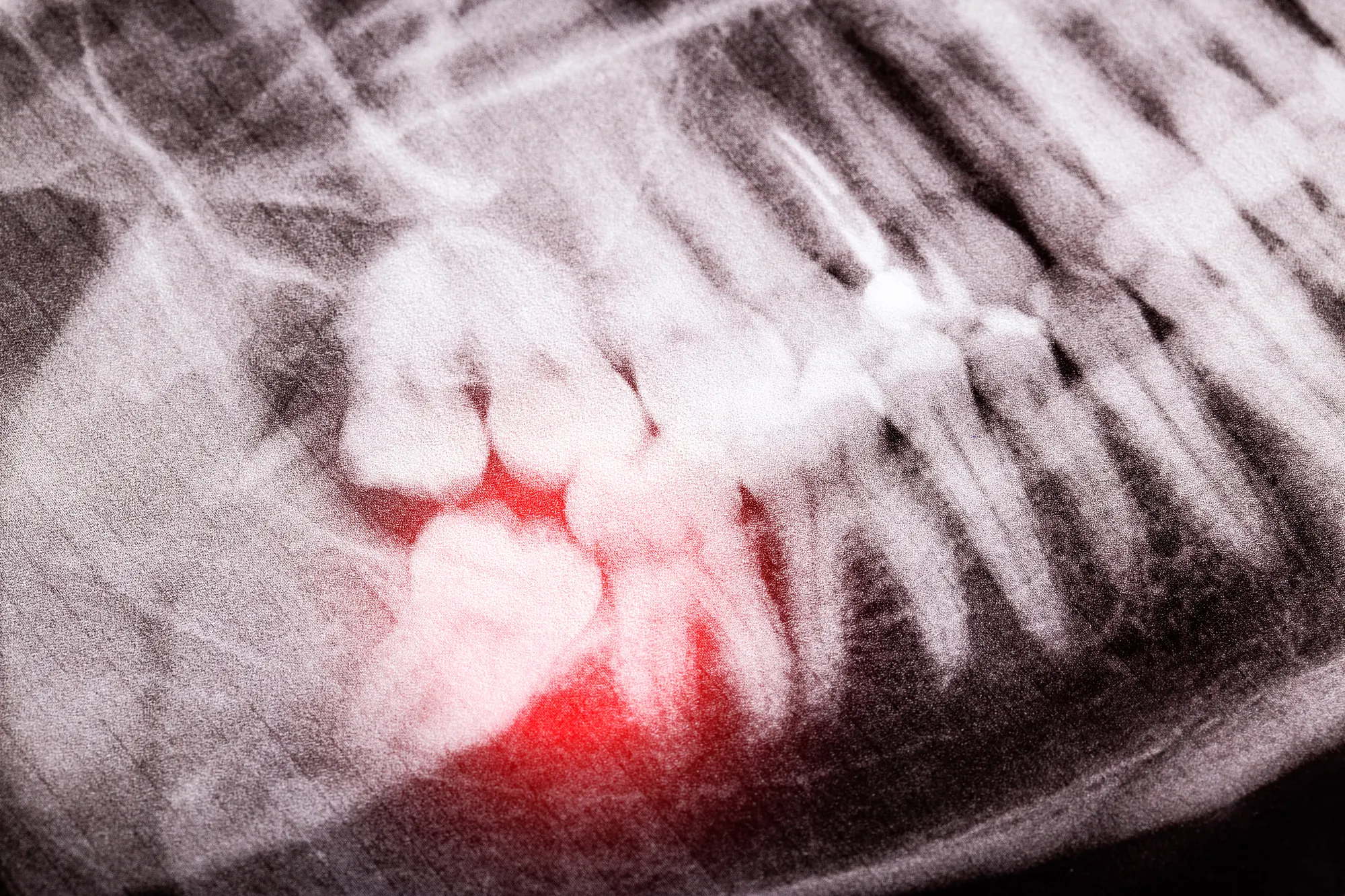
Common Dental Emergencies & How to Handle Them
Dental emergencies often involve sudden pain or injury that requires immediate medical attention. Common issues that may require urgent care include toothaches, broken teeth, or soft-tissue injuries.
Managing Tooth Pain
A toothache is one of the most common dental emergencies. It can be caused by various issues, including cavities, gum infections, or damaged fillings. To temporarily relieve pain, rinse your mouth with warm water to remove debris and reduce swelling. Applying a cold compress to the outside of your cheek can also help numb the area and reduce inflammation. Over-the-counter pain relievers like ibuprofen or acetaminophen can be effective for managing discomfort until you can visit an emergency dentist in 20866.
Dealing with a Broken or Knocked-Out Tooth
If you’ve broken or knocked out a tooth, it’s essential to act quickly. For a knocked-out tooth, rinse it gently with water (without scrubbing) and try to replace it in its socket if possible. If that’s not an option, store the tooth in a container of milk or saline solution and visit an emergency dentist as soon as possible. A cold compress can help reduce swelling in the affected area, while over-the-counter pain relievers can offer temporary relief.
Soothing Gum Swelling
If your gums are swollen due to an infection or injury, you can try rinsing with a saltwater solution to reduce bacteria and ease discomfort. Applying a cold compress to the outside of your cheek can also reduce swelling, and taking anti-inflammatory medication may help alleviate the pain until you see your emergency dentist.
The Role of Dental Sedation in Emergency Care
In many dental emergencies, sedation is offered to help patients feel more comfortable during their treatment. Dental sedation can be especially helpful for individuals experiencing severe pain or anxiety about dental procedures. There are different types of dental sedation, including local anesthesia, nitrous oxide (laughing gas), and oral sedation. These options can help relax patients, numb the treatment area, and even make the experience feel more like a simple dentist visit than an emergency.
Nitrous Oxide (Laughing Gas)
Nitrous oxide, also known as laughing gas, is another sedation option that can help patients relax during their dental treatment. It’s inhaled through a mask placed over the nose and helps reduce anxiety and discomfort. Nitrous oxide wears off quickly after the procedure, making it a convenient option for patients who need to resume normal activities shortly after their visit.
Oral Sedation
Oral sedation involves taking a pill or liquid medication before your appointment to help you relax. It’s often used for more extensive procedures or for patients with dental anxiety. Oral sedation can be combined with local anesthesia or nitrous oxide for enhanced relaxation during treatment.
Preparing for Your Visit to an Emergency Dentist in 20866
If you’re experiencing a dental emergency, it’s important to act quickly. If you are anxious about the procedure, discuss sedation options with your dentist beforehand so they can provide the most appropriate solution for your needs. It’s also helpful to have a list of symptoms and any pain relievers you’ve taken prior to your visit. This information can help your dentist determine the best course of action to address your dental emergency efficiently and effectively.
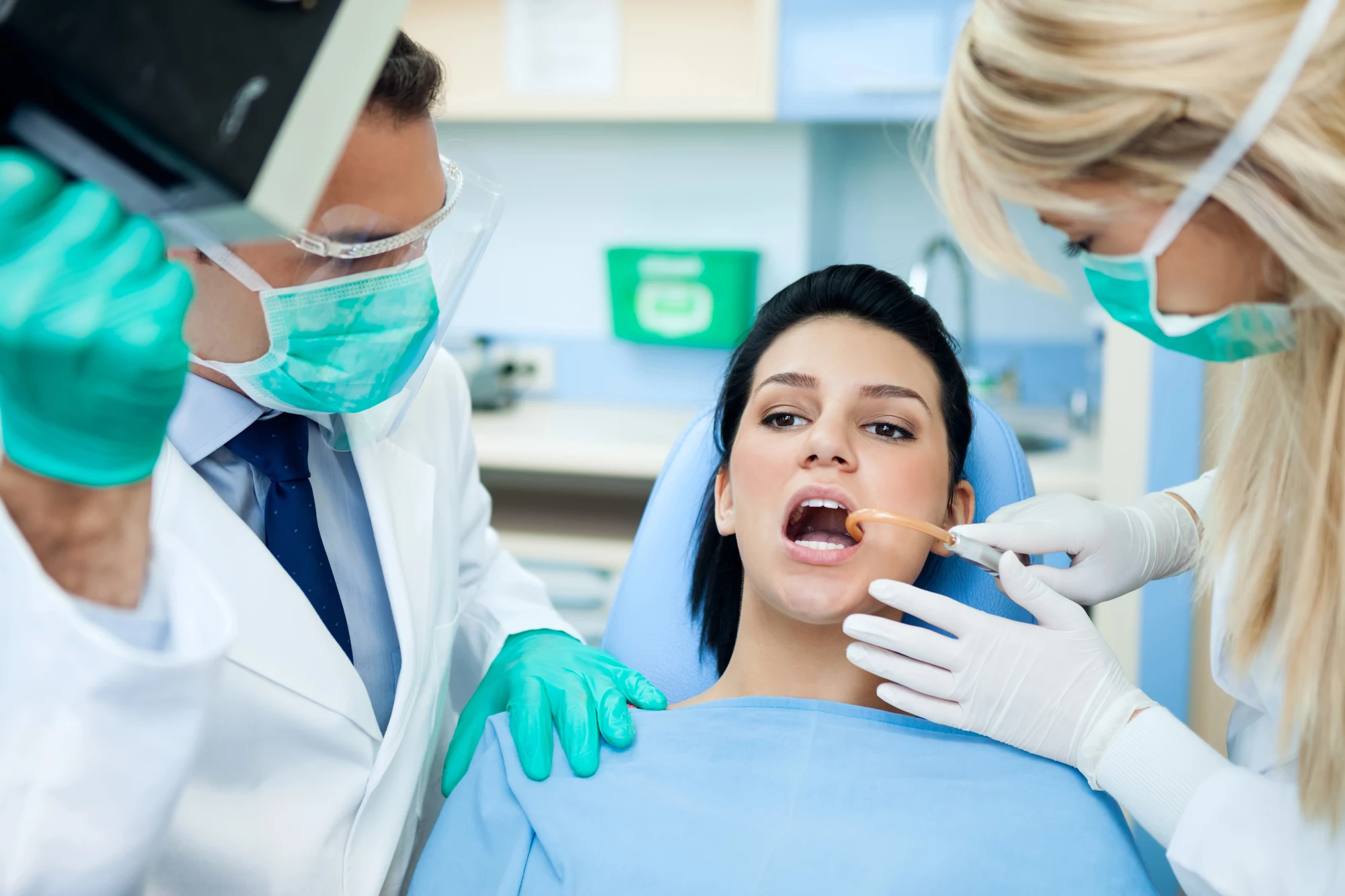
Looking for an Emergency Dentist in 20866?
When dealing with a dental emergency, quick action can help prevent further complications and relieve pain. Whether you need help with a toothache, a broken tooth, or gum swelling, an emergency dentist in 20866 can provide the care you need. Maryland Sedation Dentist is here to help you address urgent dental concerns and ensure you receive the best possible care. Call us today to schedule your appointment, and let us provide the relief and treatment you need during this challenging time.