
 2918 Spencerville Rd, #124Burtonsville, MD 20866
  (301) 421 1118

Dental Bone Grafting Explained: Purpose, Process and Healing
Hearing that you may need a bone graft often raises questions. You might wonder why it’s necessary, how the process works, and whether recovery will disrupt your routine. These concerns are common, especially for patients preparing for implants or undergoing oral surgery in Montgomery County.
Bone grafting supports the foundation of your smile, and learning how it works can help ease some of the stress surrounding the procedure. Here’s a simple explanation of why bone grafts matter and what to expect.
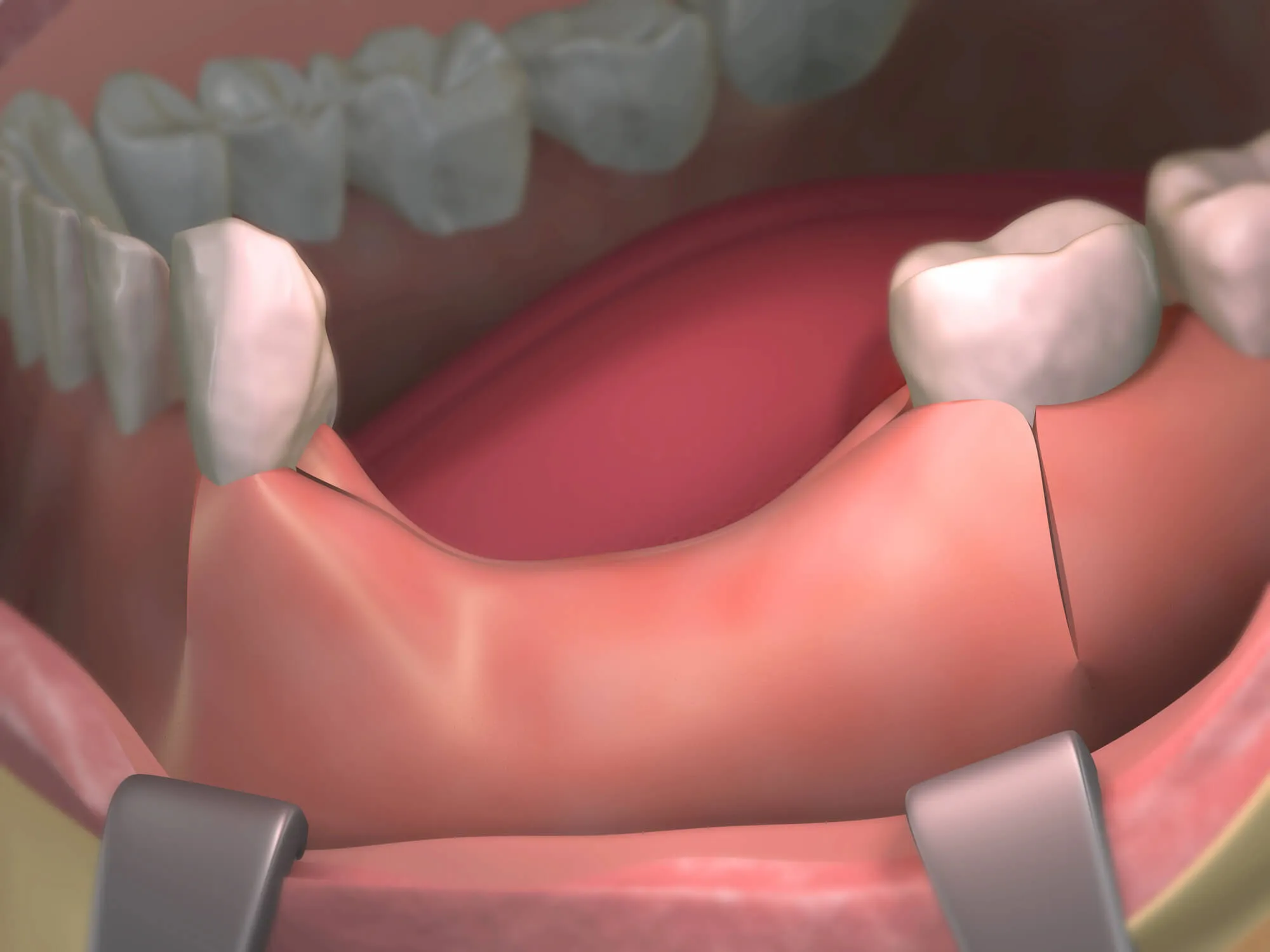
Why Bone Grafting Is Recommended
How Bone Loss Develops
Bone loss usually occurs after a tooth has been missing for a while. The jaw relies on chewing pressure to stay strong, and without it, the bone begins to thin. This change can affect your bite, facial support, and your options for future restorative care. A graft replaces the lost volume and helps rebuild the area so it can support long-term stability.
Types of Bone Grafts
Dentists use several grafting materials depending on your needs. These may include donor bone, processed bone from a safe source, or synthetic materials designed to support natural healing. The goal stays the same: create a strong base that encourages your body to rebuild the area over time. Your oral surgeon will recommend the material that works best for your case.
What Happens During the Procedure
The Appointment Step-by-Step
A bone graft is usually completed during an extraction or as a separate appointment. After the area is numbed or supported with sedation, the material is placed into the site and secured. A membrane may be added to protect the graft and guide healing. Although this sounds complex, most patients find the experience more comfortable than expected, especially with sedation options available at the practice.
Sedation for Comfort
Many patients appreciate having sedation during oral surgery because it reduces stress and helps the visit feel shorter. The practice offers multiple options, allowing your care team to tailor the experience based on your comfort level and medical history. This approach supports calm, predictable appointments for patients with anxiety or those who prefer a more relaxed visit.
Healing and What to Expect Next
Recovery Timeline
Healing times vary depending on the size of the graft and your body’s natural response. Most patients return to normal activities the next day, with minor swelling or tenderness at the site. The graft itself strengthens over several months as your bone cells grow and rebuild the area. This gradual process creates the stable support needed for future treatment, including implants.
At-Home Care
After your appointment, you’ll receive instructions to help the area heal smoothly. These may include choosing softer foods for a short time, keeping the area clean, and avoiding habits that disturb the site. Following these steps helps the graft stay stable as it integrates with your natural bone.
Next Steps Toward Implant Placement
Once healing is complete, your dentist evaluates the area to confirm the graft has matured. If the bone is ready, implant placement may be scheduled. This staged approach provides the strongest possible foundation, helping improve long-term outcomes.
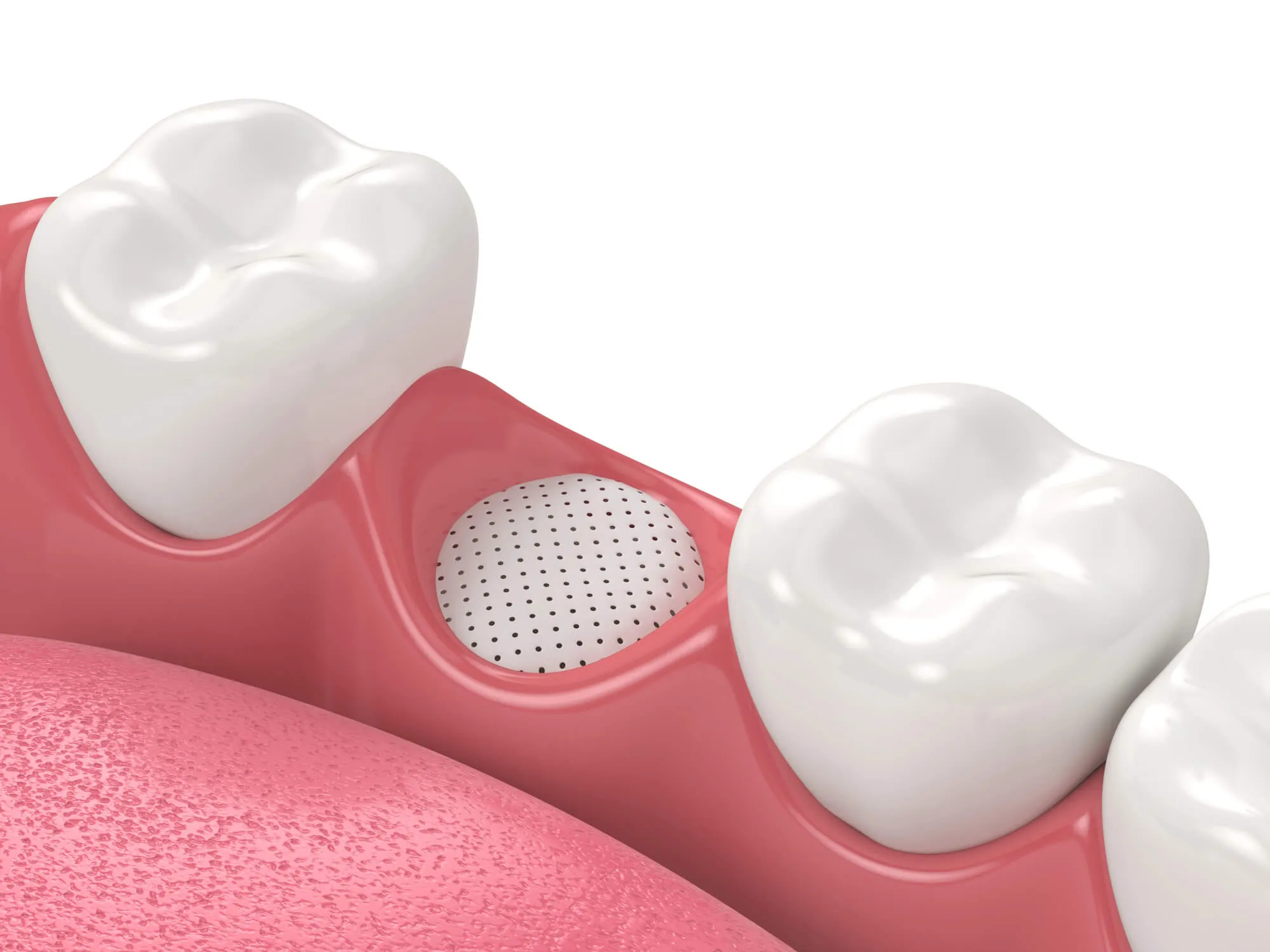
Planning for Success With Oral Surgery in Montgomery County
A bone graft can be a helpful part of treatment planning. It not only rebuilds what has been lost but also supports future oral surgery needs. By restoring structure, bone grafting helps protect your bite, maintain facial structure, and prepare your mouth for long-term restorative options.
Maryland Sedation Dentist offers attentive care focused on comfort, clear communication, and stress-free visits.
If you need guidance about bone grafting or other oral surgery needs, our team is ready to help you move forward with confidence and calm. Contact us today to schedule a consultation.