
 2918 Spencerville Rd, #124Burtonsville, MD 20866
  (301) 421 1118

How Do Dental X-rays Help Detect Cavities & Other Oral Issues?
Dental x-rays are a powerful diagnostic tool that provides valuable insight into your oral health. While cavities and tooth decay may be noticeable during routine dental exams, many issues are hidden beneath the surface, making x-rays essential for early detection. In Burtonsville, MD, dental x-rays are a key part of the diagnostic process, helping dentists identify problems that may not be visible to the naked eye. By catching these issues early, dentists can recommend the best available dental treatment to prevent more serious problems down the line, ensuring your teeth and gums remain healthy for years to come.
Understanding Dental X-rays & Their Importance
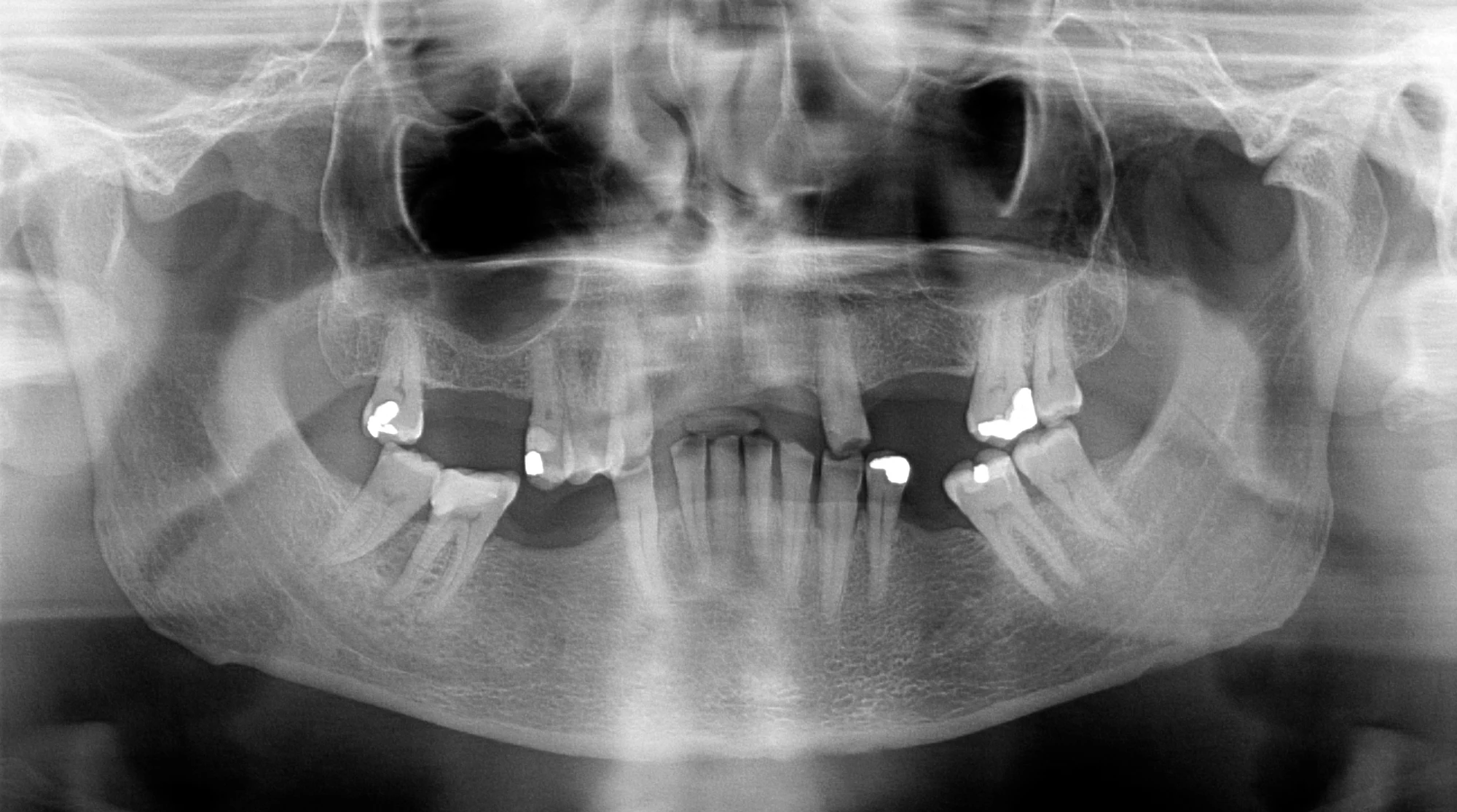
Dental x-rays are a form of imaging technology that uses a small amount of radiation to capture detailed images of the teeth, gums, and bones. These images help dentists see areas that are otherwise difficult to examine during a physical exam. Dental x-rays in Burtonsville, MD, help dentists detect cavities, infections, gum disease, and other issues in their early stages, before they become more serious problems. By providing a clear picture of what’s happening beneath the surface, X-rays help dentists create more accurate treatment plans and ensure better patient outcomes.
Types of Dental X-rays
There are several types of dental X-rays, each designed to capture different views of your oral health. The most common types include bitewing, periapical, and panoramic x-rays. Bitewing x-rays are typically used to check for cavities between teeth, while periapical x-rays focus on a single tooth and its surrounding structures. Panoramic x-rays provide a broader view of the mouth, including the teeth, jaw, and sinuses, and are often used to assess overall oral health.
These images are a crucial component of routine dental exams, providing a comprehensive view of a patient’s oral condition.
Detecting Cavities & Tooth Decay Early
One of the most significant benefits of dental X-rays is their ability to detect cavities and tooth decay that may not yet be visible. Cavities can develop in hard-to-see areas, such as between teeth or underneath existing fillings, making them difficult to spot without X-rays.
How Cavities Appear on X-rays
Cavities often appear as dark spots on X-rays, indicating areas of decay within the tooth structure. X-rays help dentists determine the size and location of cavities, allowing them to recommend appropriate treatment options. Early detection of cavities through dental X-rays can prevent more extensive damage, reducing the need for future root canals or extractions. The Centers for Disease Control and Prevention emphasizes that regular dental exams and x-rays can help reduce the severity of tooth decay and improve long-term oral health.
Identifying Gum Disease & Infections
Dental x-rays are also essential for diagnosing gum disease and infections that are not always visible during a regular exam. Gum disease often progresses slowly and may not show symptoms in the early stages, making it harder to detect without X-rays.
How X-rays Help Diagnose Gum Disease
X-rays help dentists see the health of the bones that support your teeth. Bone loss caused by gum disease can be identified early, allowing dentists to take preventive action before the disease progresses. Periodontal x-rays also help identify infections in the bone or surrounding tissues that may not be visible otherwise. By detecting gum disease early, dentists can intervene with more conservative treatments, such as scaling and root planning, to preserve your oral health.
Detecting Impacted Teeth & Other Oral Issues
Dental x-rays are also useful in detecting impacted teeth, which occur when a tooth doesn’t properly emerge from the gumline. Impacted teeth can lead to discomfort, infection, and the need for surgical intervention. X-rays give dentists a clear view of the tooth’s position and surrounding bone structure, helping them plan treatment accordingly.
Other Issues Revealed by X-rays
In addition to impacted teeth, dental x-rays can reveal other hidden issues such as cysts, tumors, abscesses, or damage to the tooth roots. Identifying these conditions early can prevent more complex procedures and improve overall treatment planning.
Why Dental X-rays Are Safe
Many patients are concerned about the safety of dental X-rays because they involve radiation. However, dental X-rays in Burtonsville, MD, are considered safe, and the radiation dose is minimal. Dentists take precautions to limit exposure, such as using lead aprons and thyroid collars to protect sensitive areas.
The Importance of Regular X-rays
Regular dental X-rays are important for maintaining long-term oral health. While the radiation exposure is low, the benefits of early detection far outweigh the risks. Dentists will recommend x-rays based on your oral health needs, typically every one to two years for adults and more frequently for children or those with specific dental concerns.
Looking for Dental X-rays in Burtonsville, MD?
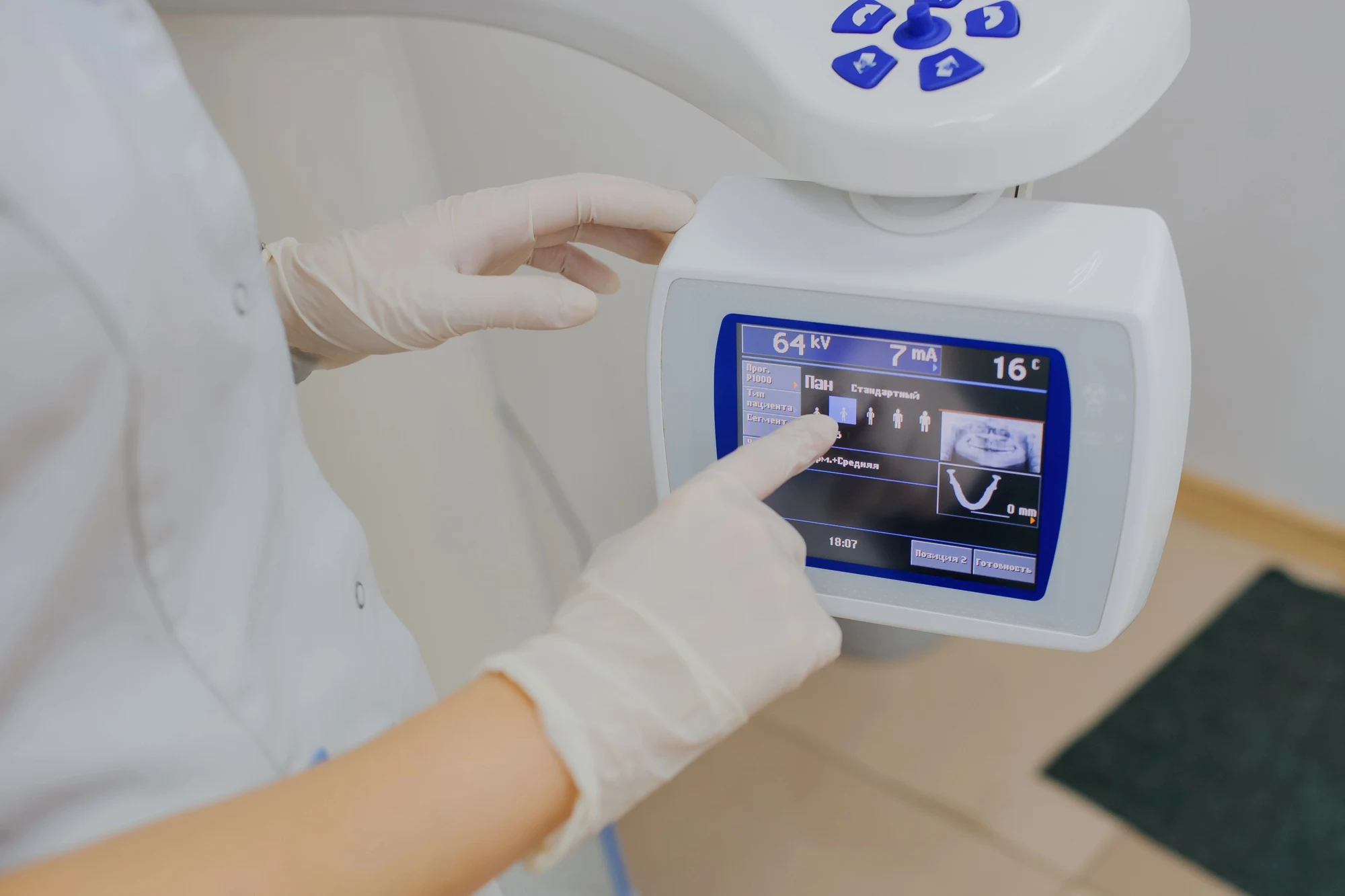
Dental x-rays are an essential tool for detecting hidden cavities, gum disease, infections, and other oral health issues that are not visible during a routine exam. Regular x-rays help dentists detect problems early and provide more accurate treatment, ensuring better outcomes and long-term oral health. If you’re due for a dental exam or need assistance with a specific dental issue, Maryland Sedation Dentist is here to help. Schedule your appointment today to receive comprehensive care and the benefits of advanced diagnostic technology.